Stress Does Not Look The Same For Everyone
There’s a spectrum to what stress looks like.
There are those who are irritated, reactive and openly frustrated. But then there are those who are quiet, withdrawn, people-pleasers, overthinkers, doubters, unable to switch off or share how they’re feeling because they believe no one will care to listen.
Stress is not always about having too much but feeling like you cannot cope with what you have on your plate or believe that you can’t stop no matter what. You feel like you have little control, time or no safe place to acknowledge that you’re struggling.
You might believe that there’s no real way out of it. You might worry that slowing down will hinder your performance, reduce your ambitions or come at a cost to your work. But the opposite can be true.
Learning to regulate stress and create a space doesn’t mean becoming less driven. It means helping people think more clearly, communicate more effectively, make better decisions and perform more sustainably.
If that is the kind of workplace you want to have, then the first step is to acknowledge that stress is real and needs a proper solution to reduce it.
Lucy Stockdale Diary
As an actress, people expect us to get used to pressure. To swallow down our tears and stress and get on with what’s expected of us. But when you’re pushed to your limit, all you can do is crash.
Whenever I was at work, my chest would tighten so much that I couldn’t breathe. I couldn’t focus on anything else.
It got to the point where I couldn’t take it anymore, so I went to a doctor at the NHS. I was suffering from anxiety, stress and burnout at work. The usual cocktail for anyone in a career.
But all my doctor did was give me a pill and push me out the door. This is how stress is perceived.
It’s become so normalised that instead of tackling it, it’s swept under the rug. I knew that if this kept happening, it would only get worse. So, I began to research.
I studied about what can be done to lower it, how to be aware of symptoms and how to manage it daily with no medication. I read about slow walks, breathwork, mindset techniques and more.
I noticed a change instantly and felt so much better than I was on medication.
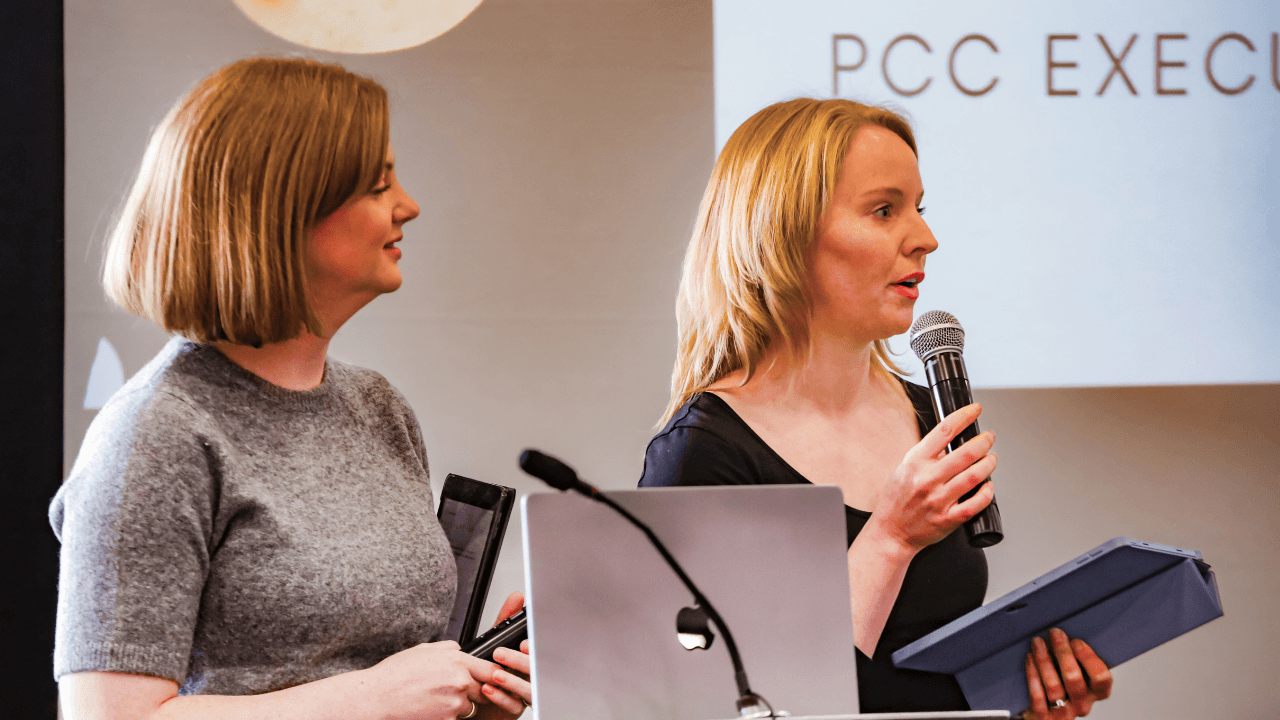
With my background in public speaking and performing, my husband recommended me to give a talk for his work. And the idea of Impact started from there.
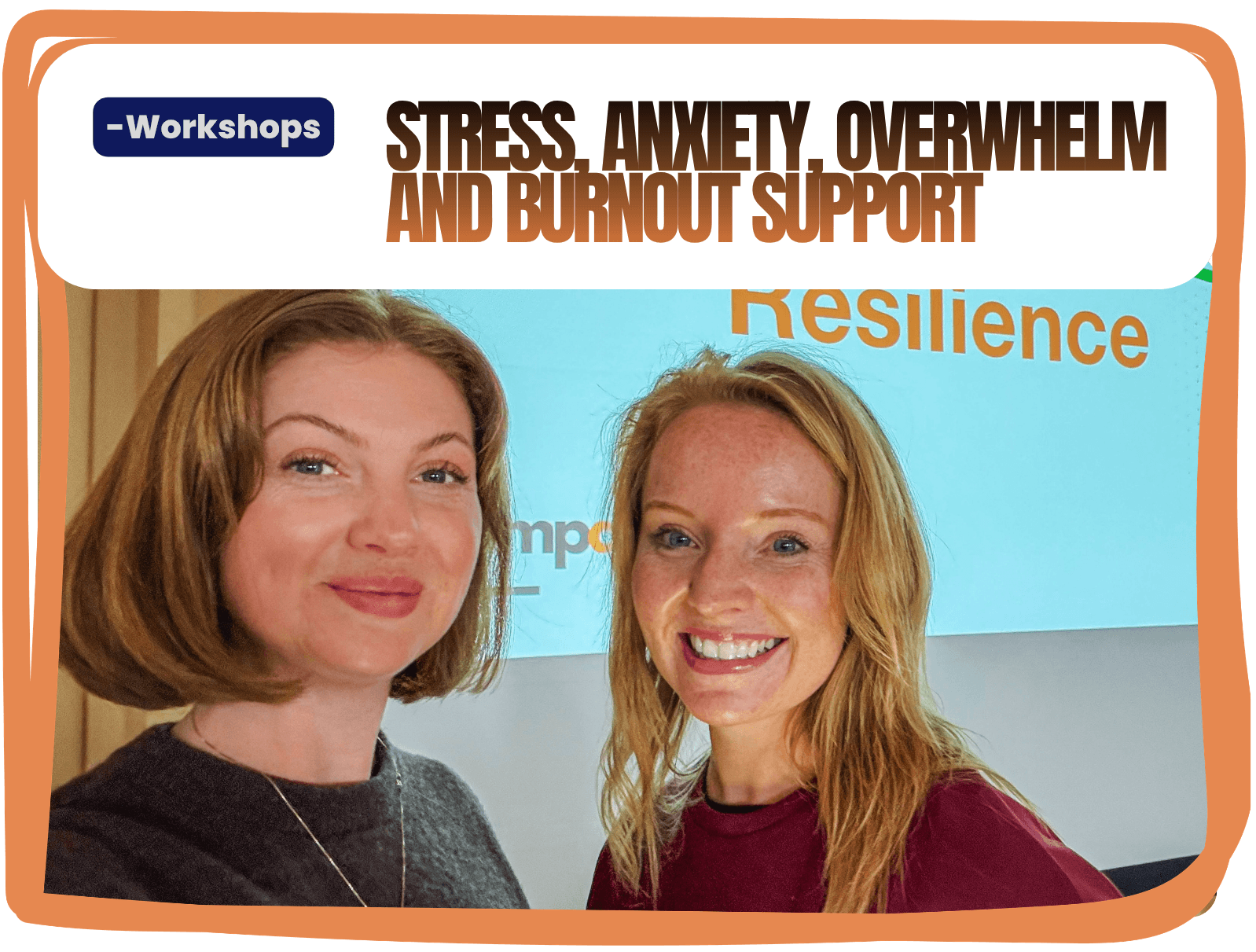
I knew that with a goal as big as Impact, I needed a partner in crime. Someone who had a similar background to me and knew how detrimental stress could be. That’s when I reconnected with a friend of mine, Michaela Longden.
Michaela Longden Diary
For a long time, I did not realise I was living in a constant “rat race.” I was always switched on — working, planning, responding, solving problems and moving straight on to the next thing. From the outside, I was productive and getting things done.
But then there were times when I was biting the skin around my fingers, a clear physical sign that I was carrying stress, but I was so accustomed to working at a high pace that I didn’t see it for what it was.
Slowing down felt unfamiliar and uncomfortable. I struggled with silence, with meditation, breathing exercises and anything that asked me to pause. The very things that could help my nervous system settle and activate the parasympathetic “rest and reset” response.
Initially, it felt difficult because I was not used to being still. But when I leaned into those practices instead of avoiding them, I began learning how to slow down in a meaningful way. Creating space, using meditation and breathwork, applying NLP-informed techniques and using practical stress-management tools.
What surprised me was that slowing down actually helped me move forward. My sleep improved. I had more energy. I could think more clearly and organise my thoughts more effectively. Rather than making decisions from stress or emotion, I was increasingly able to respond with calm, rational thought.
My business improved too. Giving myself time and space did not make me less capable or less ambitious. It made me more focused, more creative and better able to make good decisions. I stopped working every hour available simply because I felt I had to and started treating rest as an essential part of sustainable performance.
That process also changed how I valued myself. My self-esteem grew, I communicated more clearly, and I became less reactive in difficult situations. I felt more centred, more grounded and more able to make choices based on the future I wanted to create, rather than the immediate pressure in front of me.
When Lucy reached out and talked about what she wanted Impact to be, I knew that I wanted to be a part of it because of my personal experience.
This work matters so much to Lucy and I because we don’t want people to go through what we did. We want people to recognise their stress earlier and give them practical tools to perform well because it’s not worth sacrificing your wellbeing.